Why Are Ski Passes in Europe So Much Cheaper Than the USA?
Why Are Ski Passes in Europe So Much Cheaper Than the USA?
If you are a North American skier in 2026, looking at the daily lift ticket price at a high-end resort in Colorado or Utah can induce a mild panic attack. Walk-up window prices routinely exceed $280 USD for a single day.
Meanwhile, an ocean away in the French Alps or the Austrian Tirol, a daily pass to ski three interconnected mountains with 300km of pistes might cost you just €70 (approx $75 USD).
Why is the price disparity so shockingly massive? Here is the breakdown.
1. The Monopoly Model vs. The Co-op Model
The primary driver of the price gap is how the ski industries are structured on each continent.
- The USA (Corporate Consolidation): The North American ski industry is heavily consolidated under massive mega-corporations (Vail Resorts / Alterra). They own the mountains, the ski schools, the hotels, and the restaurants. This monopoly allows them to drive up peak daily prices.
- Europe (The Co-op): In Europe, the land usually belongs to ancient alpine municipalities. The “Ski Resort” doesn’t actually exist as a single corporate entity. Instead, one local company runs the lifts, another runs the ski school, and independent families run the mountain restaurants. Lift prices are kept low by the local government to encourage tourism, which feeds the entire village ecosystem.
2. The Season Pass Strategy
The high daily price in the USA is a deliberate psychological tactic.
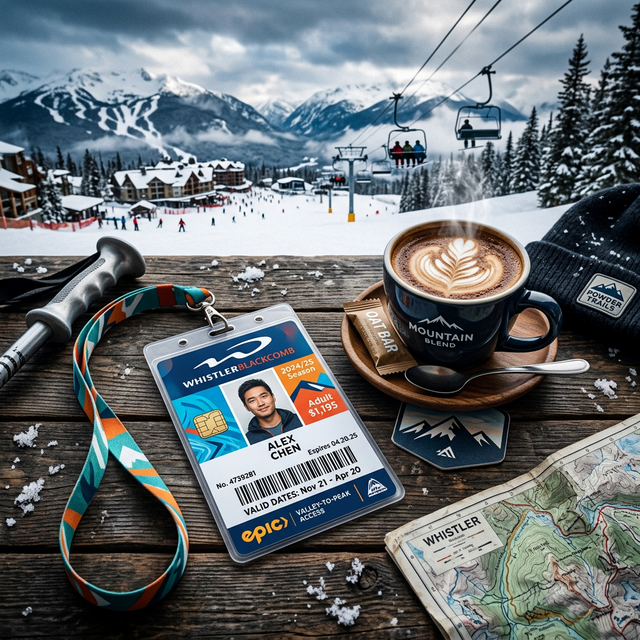
Companies like Vail want you to buy the Epic Pass months before it snows. They purposely make walk-up daily tickets outrageously expensive ($280/day) to make the pre-season Mega Pass ($950 for the whole year) look like an incredible deal. It guarantees the corporations huge revenue even if it is a terrible snow year.
Europeans generally do not buy multi-mountain mega-passes. They buy cheap day tickets or week-long passes for the specific valley they visit, forcing resorts to stay competitive on daily pricing.
3. Insurance and Liability Laws
The legal landscape dramatically affects the bottom line.
- USA: Liability insurance for ski resorts is astronomical. If an American skier hits a tree, there is a substantial threat of a multi-million-dollar lawsuit against the resort for improper signage or grooming. Those legal costs are baked into your lift ticket.
- Europe: The “Alpine Responsibility Code” reigns supreme. If you hit a rock in Switzerland, the general legal consensus is: “Well, you strapped slippery planks to your feet on a mountain, what did you expect?” Resorts face drastically lower insurance premiums.
The Takeaway for Travelers
If you live in the USA but only plan to ski for 7-10 days a year (and you don’t buy an Epic/Ikon pass in the summer), it is now cheaper to fly to Europe, stay in a hotel, and buy ski passes than it is to book a spontaneous 7-day trip to Aspen or Vail.